Why Carbide Costs Are Skyrocketing – And What It Means for UK Manufacturing
If you’ve been in manufacturing recently, you’ve probably noticed one thing: carbide prices are going through the roof. From tooling suppliers to workshops, everyone is feeling the pinch - and…
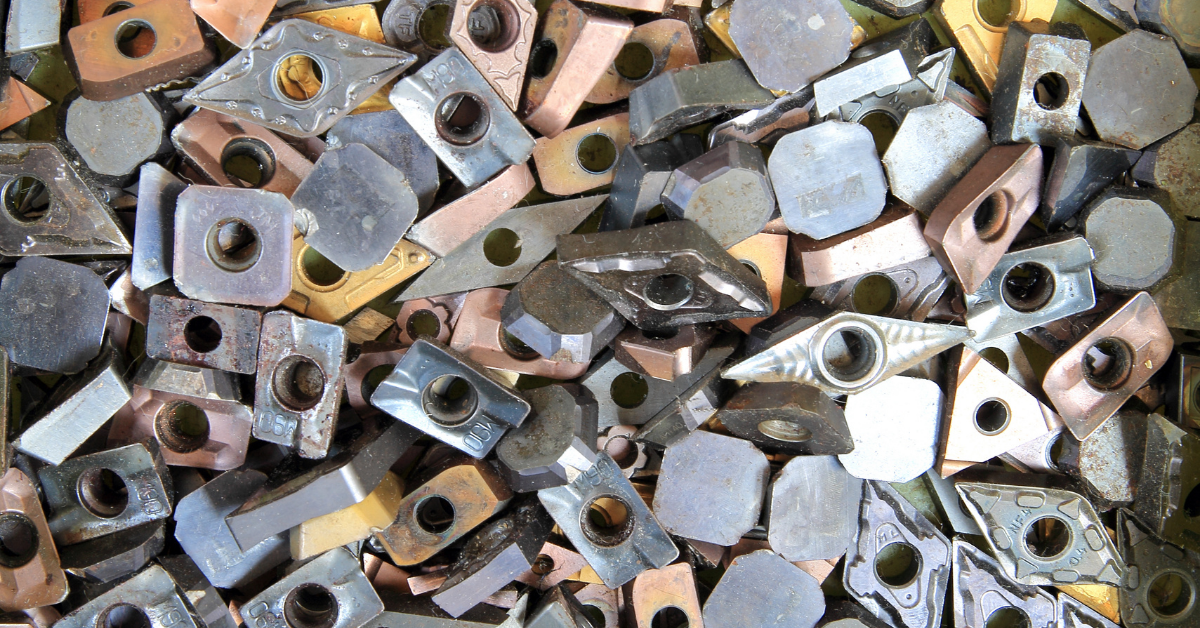
If you’ve been in manufacturing recently, you’ve probably noticed one thing: carbide prices are going through the roof. From tooling suppliers to workshops, everyone is feeling the pinch – and it’s not just a small increase. The reasons behind this surge are global and complex.
What’s Driving the Price Increase?
- Global conflicts and supply chain disruptions
The geopolitical landscape is putting pressure on the supply of rare and precious metals used in carbide production. Even small disruptions can ripple through the supply chain, affecting availability and pricing worldwide. - Scarcity of raw materials
Carbide relies on tungsten, cobalt, and other rare metals – all of which are in limited supply. Demand continues to grow globally, while production struggles to keep up. - Higher tooling costs
As raw material prices rise, the cost of cutting tools, inserts, and other carbide-based components follows suit. Workshops and manufacturers are having to plan ahead and budget carefully to avoid production delays. - Every bit counts
Some manufacturers are even calling to see if businesses have any scrap carbide available. The reality is that every gram of this material is precious, and efficient use has never been more critical.
What This Means for Manufacturers
Rising carbide prices impact more than just tooling – they affect production timelines, part costs, and project planning. It’s a reminder that materials and precision machinery are tightly linked: if your tools aren’t reliable, your production suffers.
At N&R Needham, we’ve been planning ahead and investing in efficient machining processes to make sure our projects continue to run smoothly despite market volatility. Our experience allows us to manage these challenges while still delivering quality components on time.
How to Stay Ahead
- Plan for material shortages: Order tools and inserts earlier to avoid disruption.
- Maximise tool life: Use machines and setups that preserve carbide and reduce waste.
- Stay informed: Keep track of market trends and prices for rare metals.
While the price of carbide may be unpredictable, good planning, experience, and careful material management can ensure your production stays on track.