What Is 5-Axis CNC Machining? Benefits for Complex Precision Components
What Is 5-Axis Machining - And Why Does It Matter? As engineering designs become more advanced, manufacturing methods have had to evolve to keep pace. One of the biggest advances…
What Is 5-Axis Machining – And Why Does It Matter?
As engineering designs become more advanced, manufacturing methods have had to evolve to keep pace. One of the biggest advances in modern machining is 5-axis CNC technology.
Traditional 3-axis machines move a cutting tool in X, Y and Z directions. A 5-axis machine adds two additional rotational axes, allowing the part or tool to be tilted and rotated during machining. This enables highly complex features to be produced in ways that were once difficult, time-consuming or even impossible.
Key advantages of 5-axis machining
Fewer setups, greater accuracy
Every time a part is repositioned, there is a risk of small alignment errors. 5-axis machining allows multiple faces to be machined in one setup, maintaining tighter tolerances throughout the process.
Ability to machine complex geometries
Components with compound angles, deep cavities, contoured surfaces and intersecting features can be produced more efficiently.
Improved surface finish
Continuous tool movement allows smoother cutting paths, reducing visible tool marks and improving functional surfaces.
Reduced lead times
Fewer setups and secondary operations mean shorter production cycles and faster turnaround for complex parts.
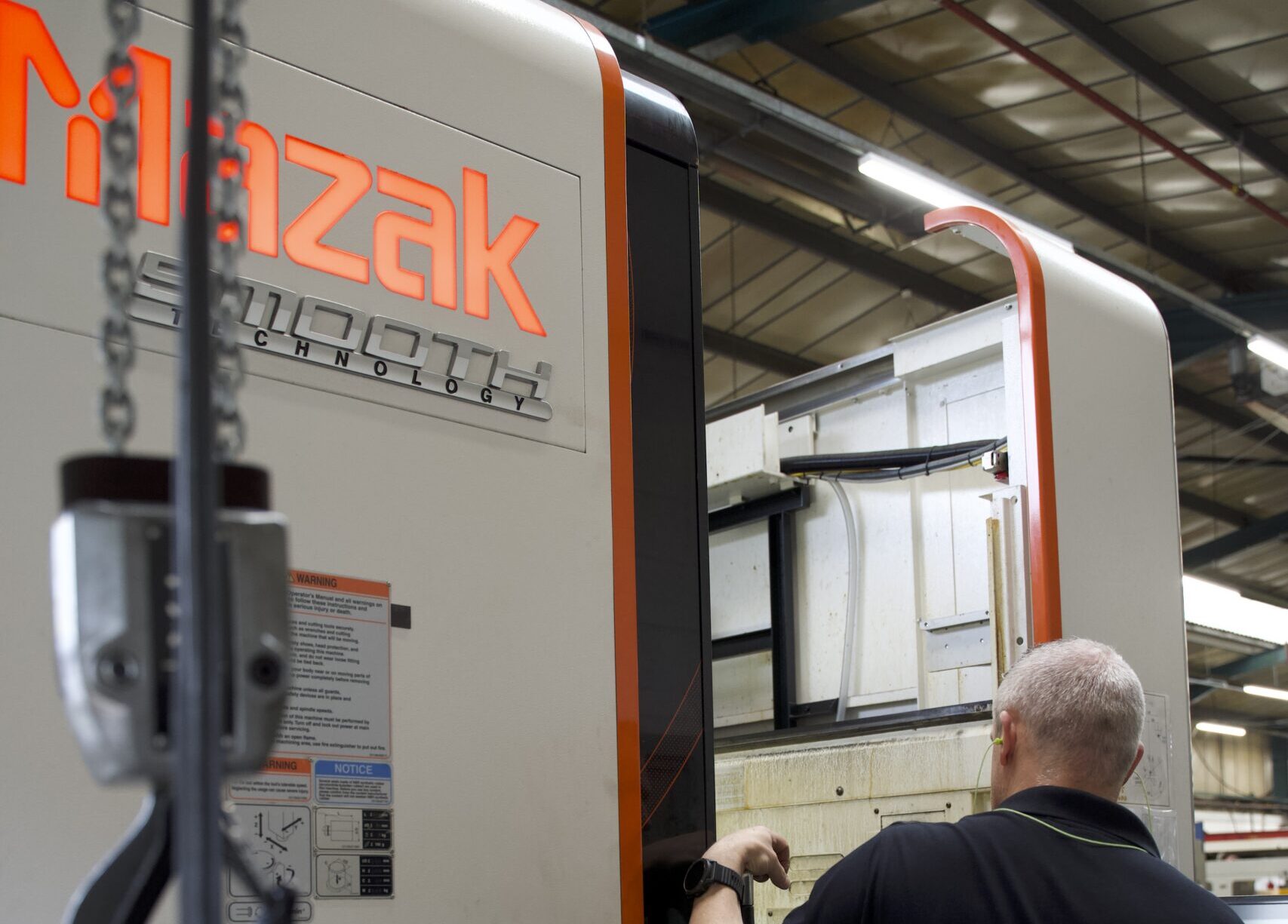
At N&R Needham, our investment in advanced 5-axis machining centres allows us to manufacture technically demanding components used in heavy machinery and specialist equipment. It’s not just about having the technology – it’s about knowing how to apply it to deliver precision, repeatability and reliability.