How Are Advanced Material Development and Data Tools Shaping Modern Engineering?
In modern engineering, understanding how materials behave is essential. Advanced material development and data tools are transforming how engineers select, test, and optimise materials, ensuring components perform reliably in demanding…
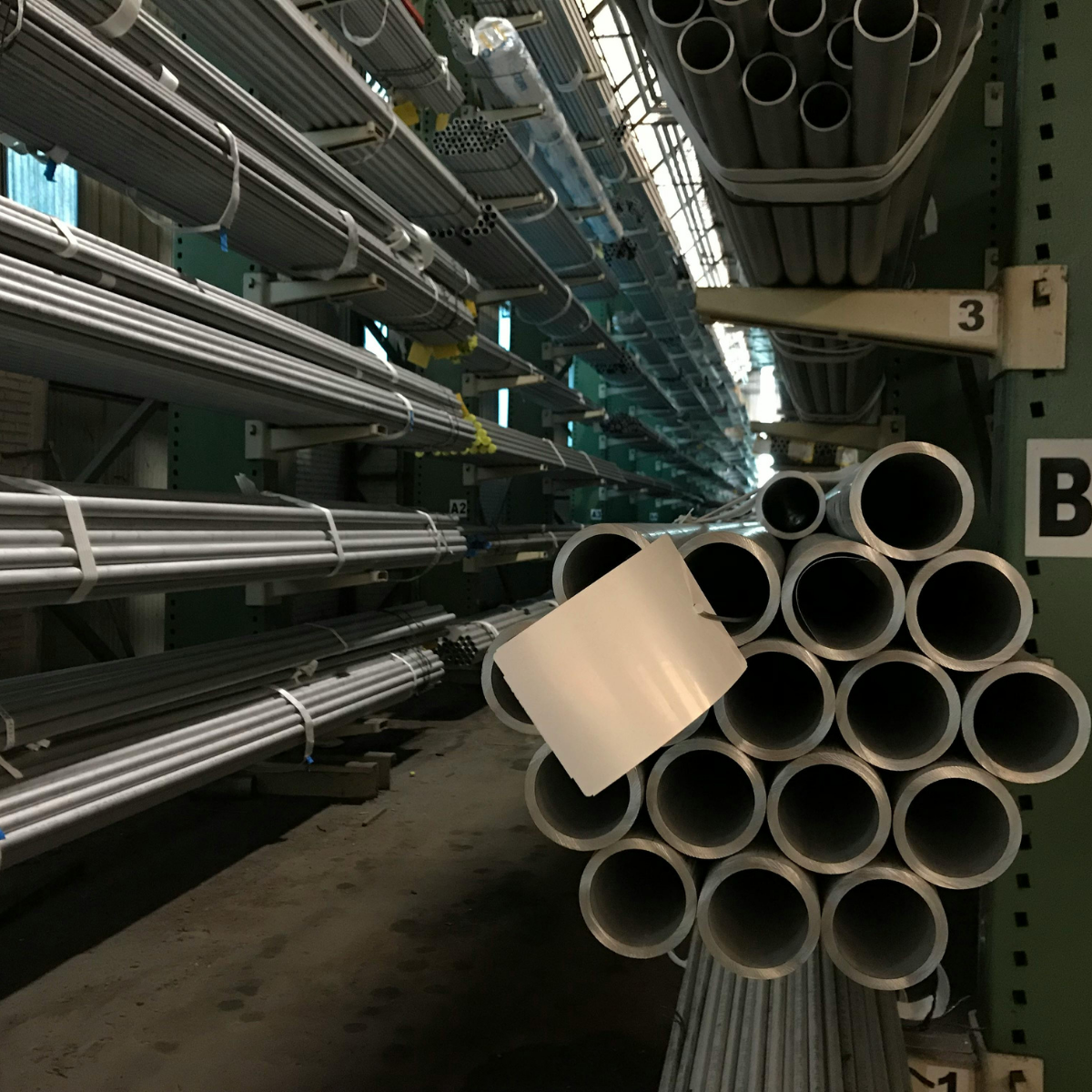
In modern engineering, understanding how materials behave is essential. Advanced material development and data tools are transforming how engineers select, test, and optimise materials, ensuring components perform reliably in demanding applications.
Why Material Data Matters
These tools provide detailed information about the mechanical, thermal, and chemical properties of metals, polymers, composites, and ceramics. Unlike traditional datasheets, they allow engineers to model how materials respond under stress, temperature, or repeated use. Accurate material data helps:
- Predict part performance before production
- Reduce the number of prototypes needed
- Optimise designs for strength, weight, or thermal efficiency
Understanding advanced material development and data tools isn’t just for material scientists, it’s increasingly relevant for engineers across all disciplines. When used effectively, these tools can help improve component reliability and performance, reduce design and production time, minimise costly failures, and enable more innovative and efficient designs.
As materials continue to evolve, from high-performance composites to smart alloys, having accurate, accessible, and integrated material data is becoming essential for modern engineering practice.
Why Engineers Should Care
Understanding advanced material development and data tools isn’t just for material scientists, it’s increasingly relevant for engineers across all disciplines. Using these tools effectively can:
- Improve component reliability and performance
- Reduce design and production time
- Minimise costly failures
- Enable more innovative and efficient designs
As materials continue to evolve, from high-performance composites to smart alloys, having accurate, accessible, and integrated material data is essential for modern engineering practice.
For engineers working with design or specification decisions, it can be beneficial to review how material information is being sourced and applied in current workflows. Ensuring that material choices are based on reliable, up-to-date data can help improve confidence in design outcomes and reduce uncertainty further down the development process.